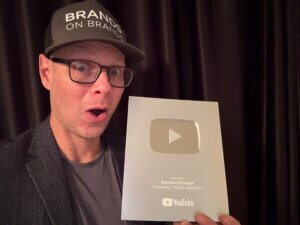
You’ve seen it happen.
Someone on your team delivers consistent results, adds value in every meeting, and quietly drives projects across the finish line, yet somehow, they keep getting overlooked.
Meanwhile, another person (equally smart but more visible) becomes the face of the initiative, the one senior leaders turn to for input, opportunities, and recognition.
It’s not politics. It’s perception.
And in today’s workplace, perception is shaped by visibility.
In an era where attention is the scarcest resource, being known isn’t vanity. It’s strategic. Visibility amplifies credibility. It creates opportunity. It builds trust before you even enter the room.
If you’re not known for something, it doesn’t matter how great you are at it.
Visibility Is No Longer Optional for Leaders
In the past, leadership visibility meant being active in the office, walking the floor, joining meetings, presenting at conferences.
Today, visibility means being seen where people look for insight and direction: online.
We live in a reputation economy. Your name, your presence, your ideas… they travel faster than you do.
That’s why building a visible leadership brand isn’t about ego; it’s about access.
When people know who you are and what you stand for, they:
-
Seek your advice before making decisions.
-
Invite you to collaborate on higher-visibility projects.
-
Associate your name with credibility and influence.
Simply put: you get chosen more often.
And being chosen (for opportunities, panels, promotions, or partnerships) is the compound interest of leadership.
🔥🔥🔥BTW, the podcast has been on fire this month!🎙️Here are some recent episodes from my podcast you may find useful.
The Trust Shortcut: Why Being Known Builds Credibility Faster
Here’s something most professionals underestimate: Visibility and trust are deeply linked.
We trust what we see repeatedly.
It’s why brand recognition drives purchase behavior. And it’s why, in leadership, people default to those they see showing up consistently, not necessarily those with the most experience.
When people see your name attached to ideas, articles, videos, or conversations, they subconsciously start building a mental model: “Ah, she’s the one who always talks about culture.” “He’s the guy who simplifies complex ideas.” “They’re the person everyone listens to during meetings.”
You become a category of one in their minds, and that’s how influence compounds.
The goal isn’t to be famous. The goal is to be familiar for something that matters.
The Shift: From Authority to Accessibility
For years, leadership was associated with authority… titles, degrees, and experience.
Today, it’s about accessibility.
People follow leaders who are willing to share what they know, in public.
That’s why we’re seeing executives, consultants, and creators using LinkedIn, podcasts, and YouTube not to promote themselves, but to scale their accessibility.
It’s the new way to lead at scale, through content, conversation, and connection.
Visibility doesn’t replace your leadership. It amplifies it.
Every post, video, or interview becomes a ripple effect: one idea that reaches people you might never meet otherwise.
The 3 Dimensions of Modern Leadership Visibility
To stay visible in a way that builds credibility (not noise), leaders need to focus on three key dimensions:
1. Clarity — Know What You Stand For
Visibility without clarity just creates confusion.
You don’t need to talk about everything. You need to be known for something.
Ask yourself:
-
What’s the one topic or problem I want to own in my industry?
-
What unique perspective or story do I bring to that conversation?
-
What do I want people to think or feel when they hear my name?
Clarity is what turns content into communication. It gives your visibility a direction and your audience a reason to listen.
2. Consistency — Be Present Before You’re Needed
The best time to build visibility is before you need it.
Whether you’re preparing for your next promotion, speaking opportunity, or career shift, showing up consistently is what creates the trail of proof people trust.
That doesn’t mean posting daily. It means being intentional, showing up on LinkedIn once a week, contributing to conversations, or sharing an insight from your current work.
Every small interaction builds equity in your personal brand.
When the right opportunity opens up, people won’t need to Google you. They’ll already know who you are.
3. Connection — Make It About Others
Leadership visibility isn’t about self-promotion. It’s about serving the conversation.
You build connection when you:
-
Highlight others’ achievements.
-
Share lessons from your experiences (not just the outcomes).
-
Engage with people who comment on your posts.
Connection turns visibility from “look at me” into “come with me.” It transforms an audience into a community. And that’s where influence lives.
The Visibility Gap: Why Some Leaders Plateau
Many leaders think they’ve “earned” visibility through hard work alone.
But results don’t speak for themselves anymore. Not in a world this noisy.
The biggest visibility mistakes I see are:
-
Relying on internal reputation only. You’re known inside your company, but invisible outside it.
-
Being too humble to share success. You see it as bragging; others see it as silence.
-
Waiting until you need visibility. By then, it’s too late.
The leaders who rise fastest are those who build visibility before they need it.
That’s the difference between being qualified and being chosen.
The YouTube Lesson: Visibility Scales Everything
Not long ago, I tested a system to see how quickly I could scale visibility on YouTube. The result? Over 100,000 subscribers in 30 days. (click to hear more)
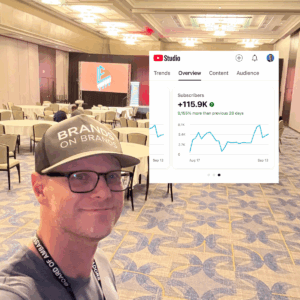
That kind of growth doesn’t happen by luck. It’s the outcome of a process built on visibility principles.
The same principles apply far beyond YouTube:
-
Message: Be clear about who you are and what you help people do.
-
Packaging: Present your ideas in a way that connects emotionally.
-
Distribution: Put your message where people are already paying attention.
-
Consistency: Repeat what works until people associate it with you.
This is the same system I now teach inside Leaders Studio… not because everyone needs a YouTube channel, but because everyone needs a visibility engine that multiplies their voice.
When you do this right, you stop chasing opportunities. Opportunities start finding you.
Overcoming the Fear of Visibility
Even high-achievers struggle with this.
Here’s what they say:
-
“I don’t want to sound self-promotional.”
-
“I’m not sure anyone would care what I have to say.”
-
“I don’t have time to create content.”
Let’s reframe each one:
-
Visibility isn’t bragging. It’s showing others what’s possible.
-
People do care. The right message always finds the right audience.
-
You don’t need hours. You need habits. 15 minutes a week of sharing insights compounds fast.
Remember: Visibility isn’t a personality trait. It’s a skill you can practice. And like any skill, it gets easier the more you do it.
From Known to Chosen: The Leadership Visibility Ladder
Here’s how the journey unfolds:
-
Expert – You’re great at what you do, but few people outside your circle know it.
-
Contributor – You start sharing ideas and engaging in discussions.
-
Educator – You teach what you know. People start seeking you out.
-
Leader – You become the go-to person for your area of expertise.
-
Platform – You build a space (podcast, YouTube, community) that amplifies others too.
At each stage, visibility expands your influence. And influence opens doors you couldn’t reach before.
The goal isn’t fame, it’s impact.
The ROI of Being Known
Visibility pays dividends in ways that go far beyond likes or followers.
Here’s what I’ve seen happen when professionals build strong personal brands:
-
Recruiters and event organizers reach out to them, not the other way around.
-
Clients close faster because they already trust the person behind the brand.
-
Internal promotions come easier because their leadership presence is undeniable.
Visibility creates optionality.
It gives you leverage, freedom, and choice… the ultimate leadership advantage.
How to Start Building Visibility This Week
If you’re ready to be known for what you do, not just good at it, start small:
-
Post one insight on LinkedIn. Something you learned this week, or a challenge you overcame.
-
Engage with five people in your network. Comment thoughtfully, not just “great post.”
-
Show your work. Share how you approach a problem. People love seeing process, not perfection.
Do that for 30 days. Watch how quickly people start associating you with leadership, value, and expertise.
Conclusion: Don’t Wait to Be Discovered
The leaders who thrive in this new era aren’t waiting for someone to notice their work. They’re making their value visible.
Being known doesn’t mean being loud. It means being clear, consistent, and connected.
If you want to future-proof your career, expand your impact, and attract opportunities that align with your strengths. It starts with one decision:
👉 Stop waiting to be discovered. Start building visibility intentionally.
Because in 2025 and beyond, the real leadership advantage isn’t just what you know. It’s who knows you.
P.S. I recently grew my YouTube channel to over 100,000 subscribers in 30 days using this exact visibility system. If you’d like to learn how to grow your own platform — whether on YouTube, LinkedIn, or through speaking — Email me “Leaders Studio” to brandon@brandsonbrands.com for more info.