
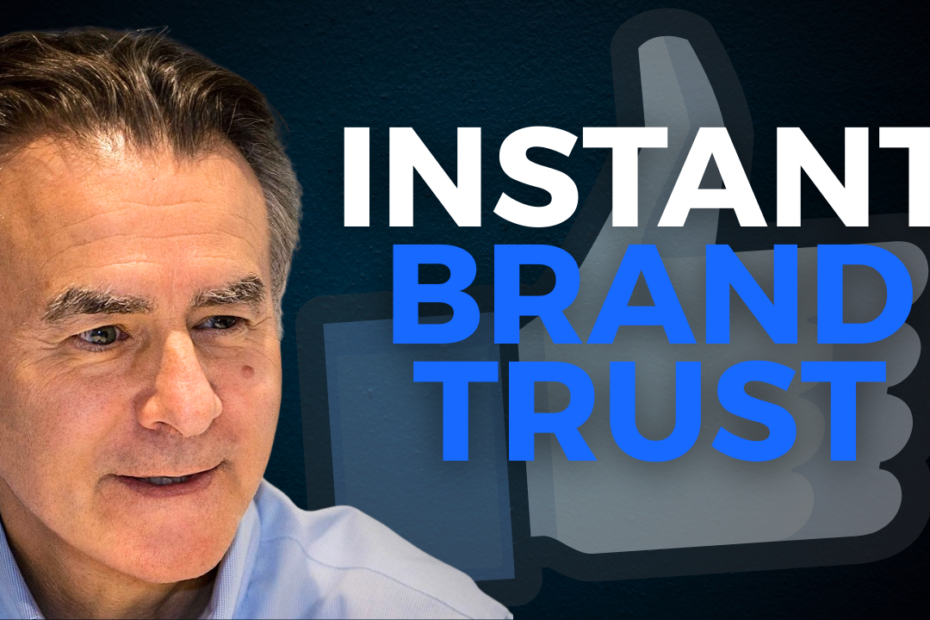
A Q&A Conversation with Jean-Pierre Lacroix on the Brands On Brands Podcast
TL;DR
-
Audiences form emotional judgments in under half a second.
-
Emotional branding is about how you make people feel.
-
Every strong brand owns one emotional word.
-
Empathy is the gateway to emotional connection.
-
Remove friction before creating emotion.
-
Visual consistency builds instant trust.
-
Storytelling humanizes your brand.
-
To stand out, be bold and decisive.
Introduction
People form emotional impressions of your brand in less than half a second. According to Jean-Pierre Lacroix, President of SLD and author of The Think Blink Manifesto, visual and emotional cues shape trust long before logic plays a role.
In this Brands On Brands podcast interview, Brandon Birkmeyer talks with Lacroix about emotional branding, visual memory, storytelling, community, and how brands can build instant, lasting connections. Below is a simplified Q&A-style recap of the conversation.
What Is Emotional Branding?
Brandon Birkmeyer:
What is emotional branding, and why does it matter?
Jean-Pierre Lacroix:
“Emotional branding is how we connect through the heart. Most decisions we make are not rational; we validate them afterward. To succeed, we need to reflect the aspirations of our audience. It’s not about functional benefits; it’s about how you make your audience feel.”
The One Emotional Word Every Brand Must Own
Brandon Birkmeyer:
How can people start tapping into emotional connection?
Jean-Pierre Lacroix:
“The first tenet is define your emotional equity. What’s the one emotional word you own? Talk to friends, colleagues, or clients to understand how you’re perceived emotionally. It helps you avoid your own biases.”
Empathy: The Foundation of Connection
Brandon Birkmeyer:
What does emotional connection look like for consumers?
Jean-Pierre Lacroix:
“It’s really hard to connect if you don’t demonstrate empathy. Great leaders identify unmet needs and show empathy in solving them. That’s what people connect with.”
Remove Friction Before You Build Emotion
Brandon Birkmeyer:
How do emotional and rational factors work together?
Jean-Pierre Lacroix:
“If you create friction—confusing messaging, poor navigation—it’s hard to connect emotionally. Remove barriers first. Eliminate anxiety, and then people can bond emotionally.”
Create Experiences Before You Sell
Brandon Birkmeyer:
Does offering an experience before selling help build connection?
Jean-Pierre Lacroix:
“Yes. You’re eliminating the risk of making the wrong decision. Friction-free engagements create moments of charisma. People connect with the real you. That leads to belonging.”
How to Build Community Around a Brand
Brandon Birkmeyer:
How do you create a sense of community?
Jean-Pierre Lacroix:
“A community isn’t a spectator sport. It’s two-way engagement. People comment, we start a dialogue, and we all come out better. The pinnacle of belonging is when people are willing to tattoo your brand on their body.”
The Blink Factor: Why Visuals Win
Brandon Birkmeyer:
What is the Blink Factor?
Jean-Pierre Lacroix:
“We coined the term in 1993. Humans absorb images 90 times faster than words. Strong brands create visual memories that make people feel comfortable. With 40,000 messages hitting us weekly, singularity matters. Own one visual memory.”
Visual Metaphors for Personal Brands
Brandon Birkmeyer:
For personal brands, what matters most in choosing a visual metaphor?
Jean-Pierre Lacroix:
“It depends on the individual. Steve Jobs had the black shirt. Others have signature colors or accessories. If the brand is about you, choose something identifiable. If it’s about your purpose, choose visuals that reflect that purpose. Above all, be consistent across every touchpoint.”
Storytelling: The Human Side of Branding
Brandon Birkmeyer:
How does storytelling fit into branding?
Jean-Pierre Lacroix:
“Storytelling is how we learn. Anchor your emotional word in a story. It can be personal or about a challenge you’ve seen. Keep it human. Don’t let marketing speak or AI take your voice away.”
Case Study: How Dairy Queen Reinvented Its Brand
Brandon Birkmeyer:
Can you share an example of a brand applying this process successfully?
Jean-Pierre Lacroix:
“Dairy Queen was known only for treats, even though they sold hot food. They had a 30-foot cone on the building and cold colors everywhere. We changed the visual metaphor—warm colors, stone textures, separating the grill and chill. Sales jumped from about $650K to 1.8 to 2.2 million.”
Future-Proofing Your Brand
Brandon Birkmeyer:
How do brands avoid becoming irrelevant?
Jean-Pierre Lacroix:
“Tenant seven is future-proofing. Ask whether your purpose solves a yesterday problem or a tomorrow problem. My biggest fear is becoming irrelevant, so you must stay on top of trends and pivot when needed.”
The Trust Ladder: Growing Your Brand Step-by-Step
Brandon Birkmeyer:
How do people grow their brand without getting overwhelmed?
Jean-Pierre Lacroix:
“Use the trust ladder. Define where you want to be. Break it into steps. Validate each step before moving forward. People get discouraged because the end goal feels impossible. Small steps make it achievable.”
Jean-Pierre’s Closing Message
Brandon Birkmeyer:
What is one idea you want readers to take away?
Jean-Pierre Lacroix:
“Most people move through life with incremental thinking. To stand out, you’ve got to swing for the fences. There’s too much noise—you must make bold decisions.”
About the Guest
Jean-Pierre Lacroix is President of SLD, a global branding and design agency, and author of The Think Blink Manifesto. He helps brands create deeper emotional connections through visual identity, storytelling, and strategic design.
What’s Next
If you want to explore emotional branding further:
-
Listen to the full interview on the Brands On Brands Podcast
-
Get Jean-Pierre’s book “Think Blink” at SLD.com or go click here to buy it on Amazon.
-
Join the Brands On Brands newsletter for weekly personal branding insights
Editor’s note: This interview has been condensed and lightly edited for clarity while preserving key stories and examples.